
Door Sections And Reinforcement
Identify the exact component style and record its visible position before comparing it with the rest of the installed system.
West Sacramento garage door service
A new door must fit the opening, headroom, track geometry, spring design, usage needs, and exterior conditions. Selection is more than choosing a panel style. This local guide adds verified access context for West Sacramento without claiming a storefront or unconfirmed response time.
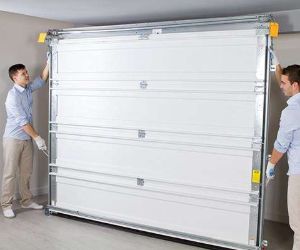
West Sacramento access notes
Riverfront neighborhoods, industrial corridors, and newer residential areas can affect access, arrival planning, and the mix of door ages encountered. These facts help plan the visit; they are not claims of a storefront or guaranteed arrival time.
Service-area detail
In West Sacramento, the useful first step is still system identification. Door size, material, spring layout, opener type, track geometry, and visible damage matter more than a one-size-fits-all repair label.
When calling, share the nearest safe access point, whether a vehicle is trapped, and whether the door is fully closed, partly open, crooked, or detached. For homes along I-80 and US-50 meet near the city, scheduling should also account for ordinary corridor travel rather than promising a time that has not been confirmed.
The Sacramento River separates it from downtown Sacramento. That local condition belongs in access planning, while the actual repair remains based on what the door and hardware show during inspection.
Before service in West Sacramento, keep the path to the door clear and identify which controls still respond without repeatedly cycling a damaged system. Note ceiling height, side clearance, storage near the tracks, and any recent impact, power interruption, weather exposure, or unusual sound. If the door is crooked, hanging, unusually heavy, or partly detached, leave it in place and keep people and vehicles outside its travel path. These details do not diagnose the failure remotely, but they give the inspection a safer and more efficient starting point. The final scope should still come from measured compatibility, visible condition, and controlled travel checks for the installed door.
Start with the evidence
A useful new door installation review in West Sacramento begins with the installed system, the door position, and the sequence of symptoms rather than a part name alone.
For a useful first conversation in West Sacramento, note the door position, what happened immediately before the problem, whether the opener still responds, and any visible component that changed. Those observations help separate a control problem from a door-system problem.
Common observations
System inspection
Garage door components share load. A visible symptom at one part can be caused by alignment, balance, wear, or damage elsewhere. The inspection sequence keeps the recommendation tied to observed conditions.
Identify the exact component style and record its visible position before comparing it with the rest of the installed system.
Compare movement and attachment points with the first component so alignment or shared-load problems are not missed.
Inspect wear, clearances, and interaction during controlled travel only after the door has been made safe to observe.
Finish by checking how this component affects balance, support, controls, and the verification steps required after work.
Repair planning
For opening and clearance measurement, the next step depends on measured fit, component condition, door weight, installed hardware, and safe full-travel testing. The recommendation should explain why this option matches the observed system.
For material and insulation comparison, the next step depends on measured fit, component condition, door weight, installed hardware, and safe full-travel testing. The recommendation should explain why this option matches the observed system.
For track and spring system planning, the next step depends on measured fit, component condition, door weight, installed hardware, and safe full-travel testing. The recommendation should explain why this option matches the observed system.
For installation followed by balance and safety checks, the next step depends on measured fit, component condition, door weight, installed hardware, and safe full-travel testing. The recommendation should explain why this option matches the observed system.
Owner preparation guide
State whether the door is fully closed, partly open, crooked, off track, or resting on an object. Do not move a visibly unstable door just to provide a different description.
Explain what changed during the last successful or failed cycle: a bang, scrape, delay, reversal, uneven lift, remote failure, or sudden stop.
Photograph the opener label, spring layout, damaged area, and full inside face of the door when it is safe to do so. Model and system details reduce guesswork.
For West Sacramento service, mention gate access, alley or driveway constraints, ceiling storage, and whether a vehicle prevents a clear interior inspection.
Repair versus replacement
A focused repair may be appropriate when the door sections, tracks, supports, and related hardware remain serviceable and the failed part can be matched correctly. Broader replacement planning may be appropriate when impact damage, repeated failures, incompatible components, severe corrosion, poor opening fit, or discontinued hardware changes the risk and value of another isolated repair.
The recommendation should identify the observed defect, the parts that interact with it, the proposed correction, and the verification step after the work. When alternatives exist, ask what each option includes and what condition would make the less extensive option unsuitable.
After-work verification
After work is performed, the door should be observed through full travel where conditions allow. The review may include balance, track clearance, cable position, roller travel, fastener condition, opener limits, photo-eye response, control operation, and unusual sound or movement.
No single checklist replaces the instructions for the installed equipment. Manufacturer documentation and the actual door configuration remain the controlling references for adjustments, limits, compatible parts, and maintenance intervals.
Compare the proposed scope
Ask for the specific symptom and the component condition behind the recommendation. “The door is noisy” is not enough by itself. Useful findings identify where the sound occurs, what moves out of position, what wear is visible, and how that condition changes safe travel. For new door installation, the explanation should connect the proposed work to the spring, cable, track, roller, panel, opener, control, or support condition actually found.
Clarify parts, labor, adjustment, disposal, programming, balance testing, travel testing, and any return needed for a special-order component. Two estimates with similar headlines can cover very different work. A complete scope should also state what is excluded, especially when related wear is present but does not yet require replacement.
Garage door parts are not selected by appearance alone. Door weight, track radius, spring dimensions, shaft and drum design, opener rail, control frequency, sensor generation, roller stem, hinge position, and available clearance can affect fit. Ask which measured or model-specific fact supports the proposed component.
The final check should match the work. Depending on the service, that may include balanced manual movement, cable seating, roller travel, track clearance, door alignment, opener limits, reversal response, photo-eye behavior, remote operation, unusual sound, and a visual review of fasteners and supporting hardware.
Keep a useful service record
Record the service date, the door or bay involved, the symptoms reported, the parts identified, measurements that determined compatibility, the work performed, and the checks completed afterward. Keep photos of labels and installed components when they can be taken safely. This makes later maintenance and troubleshooting more accurate, especially when a property has multiple doors or remotes.
For controls and openers, record the manufacturer, model, learn-button information, remote type, keypad model, and whether receiver memory was cleared. For springs and cables, record the installed configuration and any measured specifications supplied with the work. For panels, tracks, rollers, and hinges, note the affected section and hardware position.
A service record should distinguish observed facts from recommendations. It should not turn an estimate into a claim that every related component was inspected unless that inspection actually occurred. Clear boundaries protect the owner and make the next technician’s work more efficient.
Plan follow-up by condition
Listen for new scraping, clicking, popping, vibration, or motor strain. Watch whether the door remains level, seals consistently, moves through the same path, and stops without shaking. Confirm remotes, wall controls, keypads, and safety sensors behave as expected. If something changes, stop and describe the exact point in travel where it happens.
Maintenance timing should reflect use, exposure, component design, and manufacturer instructions. A frequently used double door can have a different inspection need than a lightly used single door. Heat, dust, moisture, driveway slope, storage near the tracks, and accidental impact can also change what deserves attention.
Do not use routine maintenance as permission to adjust loaded spring or cable hardware. Cleaning, observation, and manufacturer-approved lubrication are different from winding springs, resetting drums, moving bottom brackets, or supporting a damaged door. Those boundaries remain in place after any repair.
System language
How the spring system offsets door weight during controlled manual movement. Balance is not the same as whether the opener can pull the door.
The complete path from closed to open and back. A problem at one point in travel can indicate track, roller, hinge, panel, cable, or opener-limit conditions.
The space above the opening available for tracks, springs, drums, and supporting hardware. It affects installation configuration and part selection.
The paired safety sensors near the floor on many automatic openers. Alignment, obstruction, wiring, sunlight, and equipment condition can affect response.
One horizontal panel assembly in a sectional door. Damage assessment includes the section itself, hinges, reinforcement, rollers, tracks, and overall alignment.
The curved track section that guides the door from vertical to horizontal travel. Geometry and clearance affect how the door moves through the opening.
The cable that transfers spring force through drums or pulleys to lift the door. Loose or damaged cable conditions require a stored-energy safety boundary.
An opener setting that tells the operator where to stop. Limits should not be used to conceal a binding, unbalanced, or mechanically obstructed door.
Useful questions
These answers explain the decision path without pretending to diagnose a door that has not been inspected.
If the door is crooked, unusually heavy, off track, binding, or has loose cables, stop operating it. The opener can add load without correcting the underlying door condition.
A photo can help identify visible equipment, but fit, balance, hidden wear, compatible parts, access, and secondary damage may require an on-site inspection before scope is confirmed.
That depends on the system design, measured condition, age, compatibility, and manufacturer guidance. The reason for paired or single-component work should be explained for the installed door.
Provide the door position, symptoms, opener brand and model when visible, spring layout, approximate door material, and safe photos of the full inside system and affected area.
Heat, moisture, dust, and exposure can influence seals, finishes, lubrication needs, electronics, and corrosion. They do not replace direct inspection of the current condition.
More West Sacramento services
Describe the system